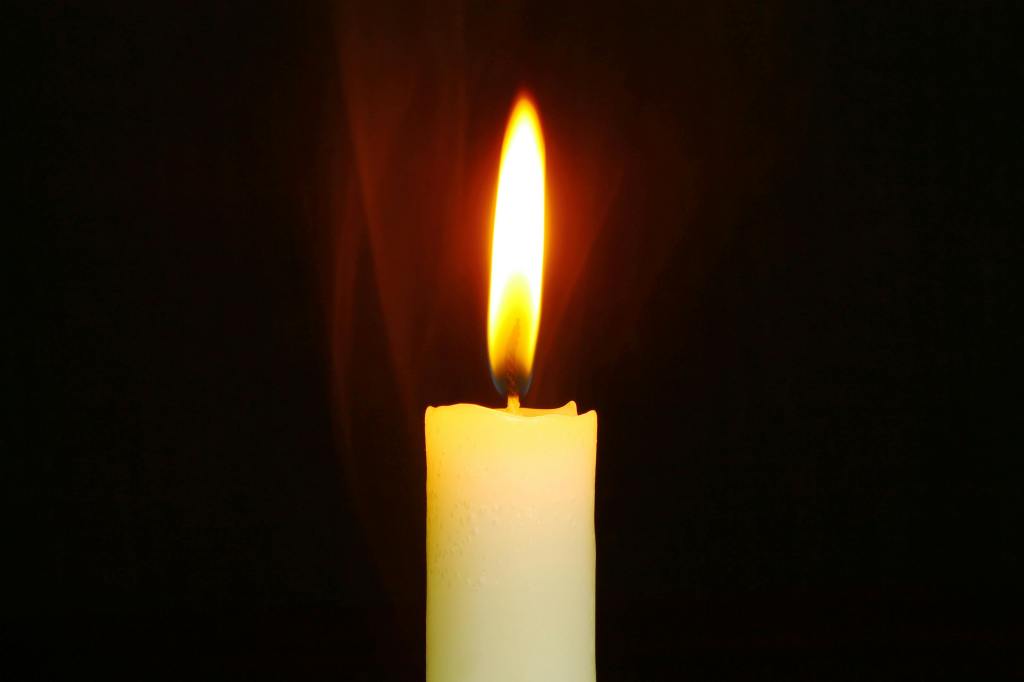
The Gate and the Spark
Spring Series: When the Light Flickers — Epilepsy, Death, and the Threshold of Return
Excerpt: There’s a silence that lives right before the fall. It isn’t peace. It’s pressure—something about to split open. Those of us who live with epilepsy know that silence. It isn’t romantic and it isn’t “perfect.” It’s a threshold. This is what the Gate and its Spark taught me about preparation, peace, and purpose.
The Moment Before
There’s a silence that lives right before the fall. It doesn’t sound like peace, it sounds like pressure, like something about to split open. Those who’ve lived with epilepsy know that silence. It’s not sleep, not dream, not quite deat, but it’s close enough to teach you what both might feel like.
When the body trembles and the world slips away, time stops being linear. You can’t measure seconds or breaths; only the weight of surrender. Sometimes, the spark comes like lightning, other times, like a dimming lamp. Either way, you’re gone before you even know you’ve left.
Perfection is not peace. Peace is preparation.
Between Two Worlds
For years, people explained seizures as a medical event, a storm in the brain. That’s true. But storms don’t only destroy; they renew. When consciousness fractures, something vast appears, call it memory, Field, the place where all breath meets itself again. You don’t visit that realm; you dissolve into it. It’s not romantic. It isn’t “perfect.” It’s raw, blinding, ancient.
And when you return, if you return, you don’t come back whole. You come back rearranged. The Gate never lets you cross without taking something or giving something. Some return with fear. Others with vision. Some with words they can’t pronounce. Some with silence that speaks louder than any sermon.
What Dying Teaches the Living
Death is not an event, it’s a mirror. The epileptic learns that early. Every seizure is a rehearsal of release: breath seized, muscles locked, body gone. You wake, confused, reborn into the same skin but a different awareness. Clinicians call it postictal confusion. I call it the Gate’s echo — where the nervous system and the soul meet halfway, trying to remember each other.
We talk about “the perfect death,” as if life owes us symmetry. The truth is that no death and no seizure is perfect. They are thresholds. Messy, sacred, necessary.
Peace is preparation. It’s knowing that if the light flickers tonight, you’ve already made amends with your body, your story, and the Source that breathed you.The Spark and the Body
Seizures trained me to listen differently: eat when the pulse says eat; rest when the field says rest; write when the current opens. Each convulsion stripped away something, pride, illusion, control, and left behind gratitude, stillness, and faith in motion.
The Spark is not the enemy. It’s the messenger. It whispers: remember, you are not your heartbeat — you are the space around it.
The Return
Coming back from the Gate is its own kind of grief. The body hurts. The mind misfires. People look at you with pity or fear. They don’t see that you just returned from the threshold of infinity — that your neurons were speaking a language older than the stars.
What dies each time isn’t only consciousness, it’s illusion: control, immortality, and the fantasy of being separate from everything else that breathes. You learn to bow before the ordinary: water, laughter, silence. Every sunrise becomes a resurrection. “Why me?” turns into “what now?”
The Light Flickers On
Those who live close to death are not cursed; they are keepers of rhythm. They know how fragile the thread is and how beautiful. Life isn’t measured by how long we last, but by how deeply we live between the flashes. That is what epilepsy can teach the world: stop fearing the flicker; listen to what it’s trying to say.
When the light flickers, it isn’t always a warning. Sometimes it’s an invitation, to remember that even at the edge of breath, there is a Spark that refuses to go out.
“Those who live close to death aren’t cursed — they’re keepers of rhythm.”
Reflection Question
When your own light flickers — through illness, grief, or exhaustion — do you curse the darkness, or do you listen for what’s trying to be born in the silence?
Seizure Safety Chart
Quick Reference for Caregivers, Friends, and Responders
1. During a Seizure
| Step | Action | Why It Matters |
|---|---|---|
| 1. Stay calm. | Keep your voice low and steady. | Panic spreads quickly and can make recovery harder. |
| 2. Time the seizure. | If it lasts more than 5 minutes, call 911. | Most seizures end within 1–3 minutes; longer ones can be dangerous. |
| 3. Protect the head. | Place something soft (jacket, towel) under their head. | Prevents head injury from impact with the floor. |
| 4. Clear the area. | Remove sharp or hard objects nearby. | Reduces risk of bruising or cuts. |
| 5. Loosen tight clothing. | Especially around the neck. | Helps breathing and blood flow. |
| 6. Turn them gently on their side. | When possible, after jerking stops. | Keeps airway clear and prevents choking. |
| 7. Do NOT put anything in the mouth. | No spoons, fingers, or pills. | Can cause choking or jaw injury. |
| 8. Stay until full recovery. | Speak calmly as they regain awareness. | Prevents confusion, fear, or wandering. |
2. After the Seizure
| Step | Action | Why It Matters |
|---|---|---|
| 1. Check breathing and color. | Look for slow or shallow breathing, blue lips, or chest stillness. | Signs of distress require emergency help. |
| 2. Allow rest. | Do not force them to move or talk. | Fatigue and confusion are normal after seizures. |
| 3. Offer water when alert. | Small sips only. | Hydration aids recovery. |
| 4. Reassure gently. | Use simple words: “You’re safe. I’m here.” | Helps reorientation. |
| 5. Note details. | Duration, body movement, triggers, unusual behavior. | Helps doctors adjust treatment or recognize patterns. |
3. When to Call 911
✅ Seizure lasts over 5 minutes
✅ Second seizure begins immediately after the first
✅ Person has trouble breathing or does not wake up
✅ Seizure occurs in water
✅ Person is pregnant, diabetic, or injured
✅ It’s the first known seizure
4. Avoid Common Mistakes
🚫 Don’t restrain the person.
🚫 Don’t give food, drink, or medication during the seizure.
🚫 Don’t shout or shake them to “wake them up.”
🚫 Don’t crowd around — give space.
5. Create a Seizure Action Plan
| Field | Information |
|---|---|
| Name: | |
| Emergency Contact: | |
| Neurologist: | |
| Medications: | |
| Known Triggers: | |
| Typical Duration: | |
| Post-Seizure Needs: |
6. For Epilepsy Advocates & Educators
- Keep laminated copies in public spaces (churches, housing offices, schools).
- Teach staff and neighbors to recognize early warning signs.
- Include QR code linking to Fair Housing Change Alliance / Epilepsy Safety Portal.
- Pair with accessible videos for Deaf and ESL communities.
Designed by Rev. Richard Mills
Fair Housing Change Alliance
© 2025 — Educational use permitted with credit.
 FAIR HOUSING CHANGE ALLIANCE
Leave a comment